A comprehensive guide to the design and construction of industrial cold storages
Construction of cold storage is one of the most complex engineering projects in the food and pharmaceutical industries. A standard cold room should not only control the temperature, but also manage humidity, air circulation and thermal insulation in an optimal way to maximize product shelf life.
Before any operational operation, cooling load calculations are critical. This calculation includes the following:
Heat transfer load: penetrating heat from the walls, ceiling and floor.
Product load: the heat caused by the initial heat of the product to the target temperature.
Respiratory load: for agricultural products that are still active after harvest.
Miscellaneous loads: lighting, fan motors, presence of personnel and opening and closing of doors.
The structure of the cold store should be such that it has the least heat exchange with the outside environment.
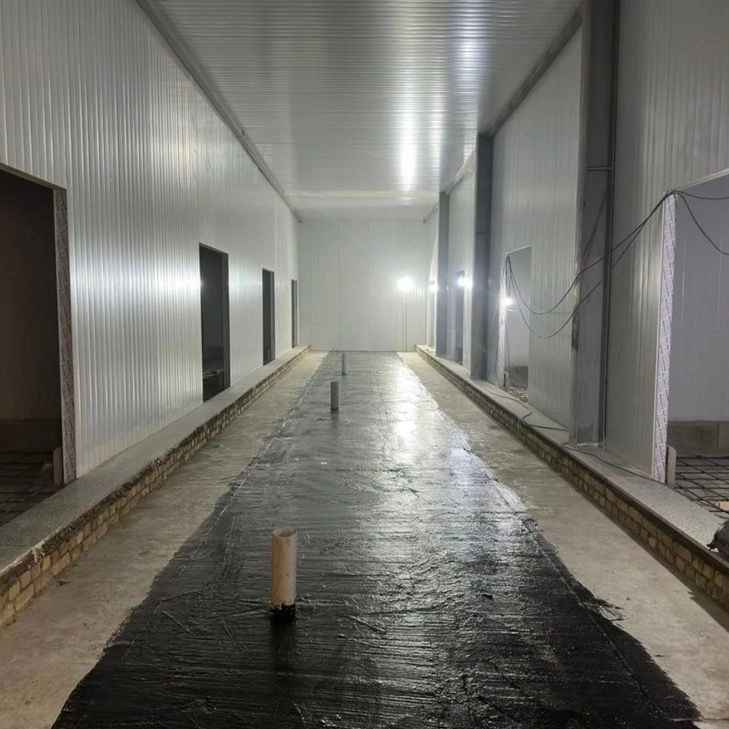
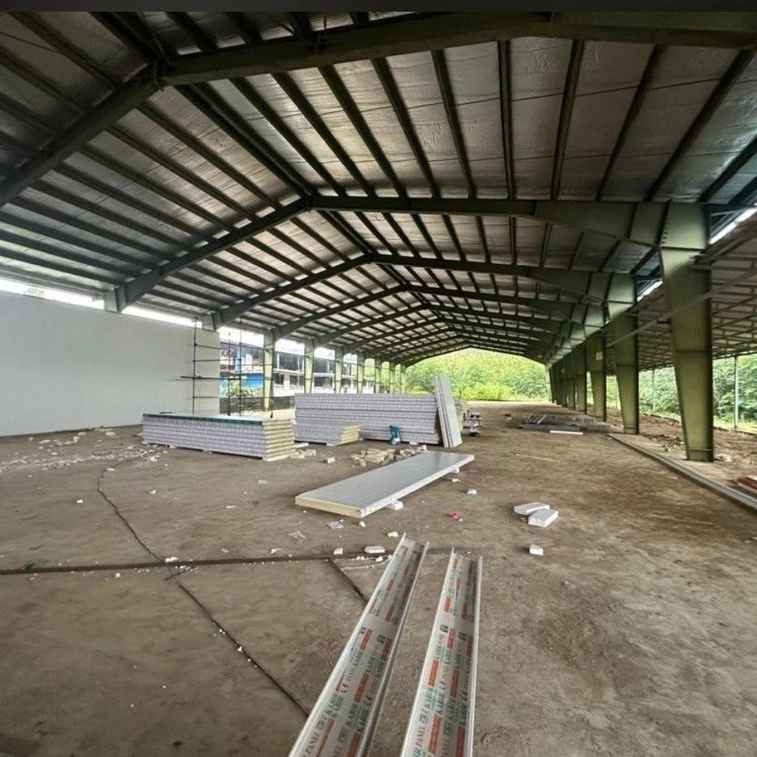
Sandwich panel: Nowadays, the use of injected polyurethane sandwich panels with a density of 2±40 kg/m3 is the gold standard. The thickness of these panels is selected based on the working temperature (for example, 10 cm for temperatures above zero and 15 cm for below zero).
Floor construction: The bottom layer should be reinforced with concrete, thermal insulation (such as XPS or compressed polystyrene) and the final layer of reinforced concrete to prevent the phenomenon of "frost heaving".
The selection of refrigeration equipment should be done according to the capacity of the cold storage and the type of product:
Compressor: Screw or reciprocating compressors are used as system drivers, depending on the scale.
Condenser: In hot environments, it is recommended to use air condensers with variable speed fans to save electricity.
Evaporator: Choosing the right evaporator with the correct fin pitch is essential to prevent rapid frostbite and uniform cold distribution.
Modern cold storage without an intelligent control system is practically unreliable:
Control panel: equipped with PLC controllers or precise digital thermostats to adjust temperature and humidity.
Defrost system: automation of defrost operation (electrically or with hot gas) to maintain the efficiency of the evaporator.
* Safety equipment: installation of a safety switch inside the cold room for personnel (in case of confinement) and critical temperature alarms that are connected to the mobile system of the cold room manager.
Air circulation: The arrangement of the pallets should not block the output of the evaporator fans.
Periodic service: checking the compressor oil level, washing the condenser and checking the health of the door rubber should be included in the monthly checklist.
Conclusion
Building a cold store is more than a construction activity, it is a thermodynamic knowledge. Shortcomings in any area, from poor insulation to miscalculating the cooling load, can lead to irreparable damage to products and a sharp increase in energy bills.
A comprehensive guide to the construction of a mortuary; From selection to basic exploitation
Introduction
Cold storage below zero and above zero; Differences in performance and equipment
To have an efficient cold storage, you should know that the infrastructure for "subzero" (freezing) and "above zero" (fresh storage) temperatures are fundamentally different:
Purpose: to preserve the freshness of products (fruit, dairy products, medicine).
The main challenge: humidity control to prevent the product from drying out or becoming moldy.
In the cold weather of these cold stores, the air circulation system must be designed so that the temperature remains the same in all parts of the warehouse.
Purpose: freezing and long-term storage (meat, ice cream, frozen products).
The main challenge: managing the refrigeration cycle and preventing the phenomenon of "frost heaving" on the floor.
Golden tip: The defrost system is vital in these cold stores. Choosing an automatic and intelligent defrost system will greatly reduce your energy costs.
3 main pillars in building a standard cold storage
If you intend to work with companies such as "Safid Sarma" or any other contractor, be sure to focus on these three areas:
Accurate cooling load calculation: Never buy equipment based on guesswork. Refrigerated load calculation should be done based on the volume, type of product, amount of load entering and exiting and the ambient temperature of your geographical area. This prevents excessive pressure on the compressor and reducing its lifespan.
Quality of insulation (sandwich panels): Sandwich panels with non-standard density act like a hole for your money; They waste energy and increase the electricity bill. Always pay attention to the thickness and density of polyurethane panels.
Control and monitoring equipment: In today's world, the traditional cold store has no meaning. Choose a system that has "online monitoring" so that you can control the temperature of your product at any time, even from home, and receive an alarm in case of an error.
How to choose the right contractor?
When receiving a pre-invoice, don't just look at the "final price". Ask the contractor:
conclusion
Investing in cold storage is a long-term commitment. With technical knowledge and selection of standard equipment, you can avoid capital loss and achieve maximum productivity. Remember; A good cold storage will reduce your current costs and guarantee the quality of your final product.
تملس فوری